
Education is in the midst of a quiet revolution. Not long ago, a decade earlier, online education and learning was predominantly considered a supplementary alternative, something to take advantage of when in-person classes were not possible. Now, we see online learning as a mainstream, viable, and fast-growing environment. From children in school to adult learners, we are all realizing that education can be more flexible, accessible, and personalized than ever before.
So, what truly lies ahead for online education? What are the trends shaping the future of online education? Let’s take a moment to unpack this in a non-complex, human way.
1. Personalized Learning Will Become the New Normal
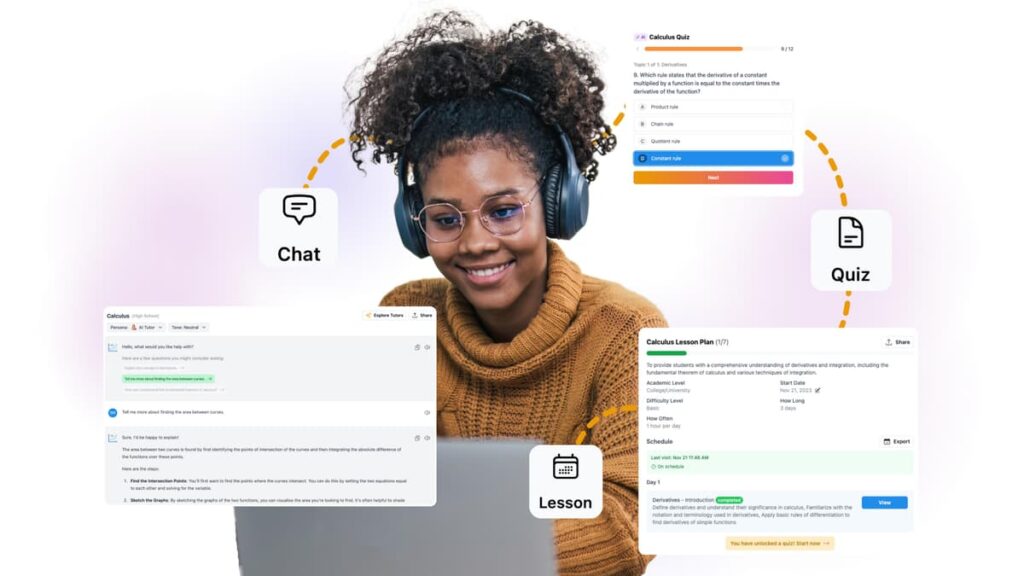
Each student learns at a different pace, yet traditional classrooms seldom accommodate for each individual response. Online education and learning will do it automatically, and with the help of smart algorithms, courses will eventually adjust automatically while you’re taking it based on your level of knowledge of the topic.
If you’re fast, it will push you. If you’re struggling, it will slow you down and provide you with more explanation and details. Education will feel personalized, as if you are being tutored 24/7.
2. Hybrid Learning Will Rule the Future
The future is not entirely online or in-person but is hybrid learning. Schools, colleges, and educational/training institutions will be allowing hybrid online education and learning where students will attend in-person classes some of the time, and online classes the rest of the time.
- This way of learning provides flexibility with digital learning and social interaction and discipline with in-person classes.
- You can expect hybrid learning to be more common with even more institutions utilizing this method since it works well for almost everyone.
3. Skill-Based online education Will Outshine Degree-Based Learning
Companies these days care more about what you can produce than what you’ve read. Hence, online programs offering skills that are “job ready” (coding, design, editing, marketing, finance, etc.) are growing in popularity.
In the coming years, small certifications, micro-degrees and short skill-based courses are going to have more value than many long degrees. Students will instead choose to study skills which directly lead to income not theory.
4. Virtual Reality (VR) and Augmented Reality (AR) Will Bring Classrooms to Life
Visualize learning biology by examining a 3D human body, visualizing a trip or learning history by ‘wandering’ through ancient civilizations or practicing surgery in a completely immersive operating room.
VR and AR are going to make all of this possible, and affordable. To contrast traditional ways of experiencing lessons as “learning”, where distance exists between experience and studying in a traditional way or reading a textbook.

5. AI Tutors Will Support Students Like Never Before
AI will not replace teachers, but it will help them. Students will have access to AI tutors that answer doubts instantly, explain concepts in simple words, and provide additional practice whenever needed.
This means no student will have to wait until the next day to understand a tough chapter. Learning will become smoother, faster, and more independent.
6. Flexible online education for Working Professionals Will Keep Growing
People no longer want to pause their careers to learn something new. Online education makes it possible to upgrade skills while working full-time.
Short weekend courses, part-time learning programs, and fast-track certifications will continue to explode because the modern workforce values continuous learning.
Also Read:
- Top Websites to Learn Coding for Beginners and Experts
- Best AI Tools for Students to Study Smarter, Not Harder (2025)
7. Global Classrooms Will Become Common
You may sit in India, learn from a teacher in the US, and collaborate on projects with students from Europe, all in one course.
- Borders will matter less, Access to global knowledge will be a standard part of education.
- This type of cultural exchange will not only improve skills but also build global thinking and confidence.
A Future Built on Access and Opportunity
The prospect of online learning isn’t just about tech, it’s about opportunity. It’s about enabling every learner a way to study how they want, at a pace they want, and from anywhere in the world.
As a student, parent, or professional, one thing is for sure: online learning isn’t just the future, it’s already changing the present. I can also provide a shorter blog version, an SEO-optimized article, a LinkedIn post, or an Instagram caption on the same topic if you’d like.
1: Is online education as effective as traditional classroom learning?
Yes, when designed well, online education can be just as effective, sometimes even more. It offers personalized learning, flexible schedules, and self-paced study, which many students find more efficient than classroom learning.
2: Will online education replace traditional schools and colleges?
No. The future is hybrid learning, a mix of online and offline. Physical classrooms provide interaction and discipline, while online learning adds flexibility and access. Both will co-exist.
3: What skills are best learned through online platforms?
Skills like coding, graphic design, digital marketing, video editing, language learning, business skills, and many professional certifications are highly effective when learned online due to hands-on tools and project-based modules.
4: Are online certificates recognized by employers?
Yes. Most companies now value skills over degrees, and top online platforms (Coursera, Udemy, Google, Meta, etc.) offer certified programs that are widely recognized in the industry.
5: What technology do I need to start online learning?
A basic smartphone or laptop, a stable internet connection, and access to a learning platform or app are enough. As online learning advances, optional tools like VR headsets may enhance the experience, but they’re not required.






1 thought on “The Future of Online Education: Trends You Need to Know”